Considering Composite Bonding? Read This First
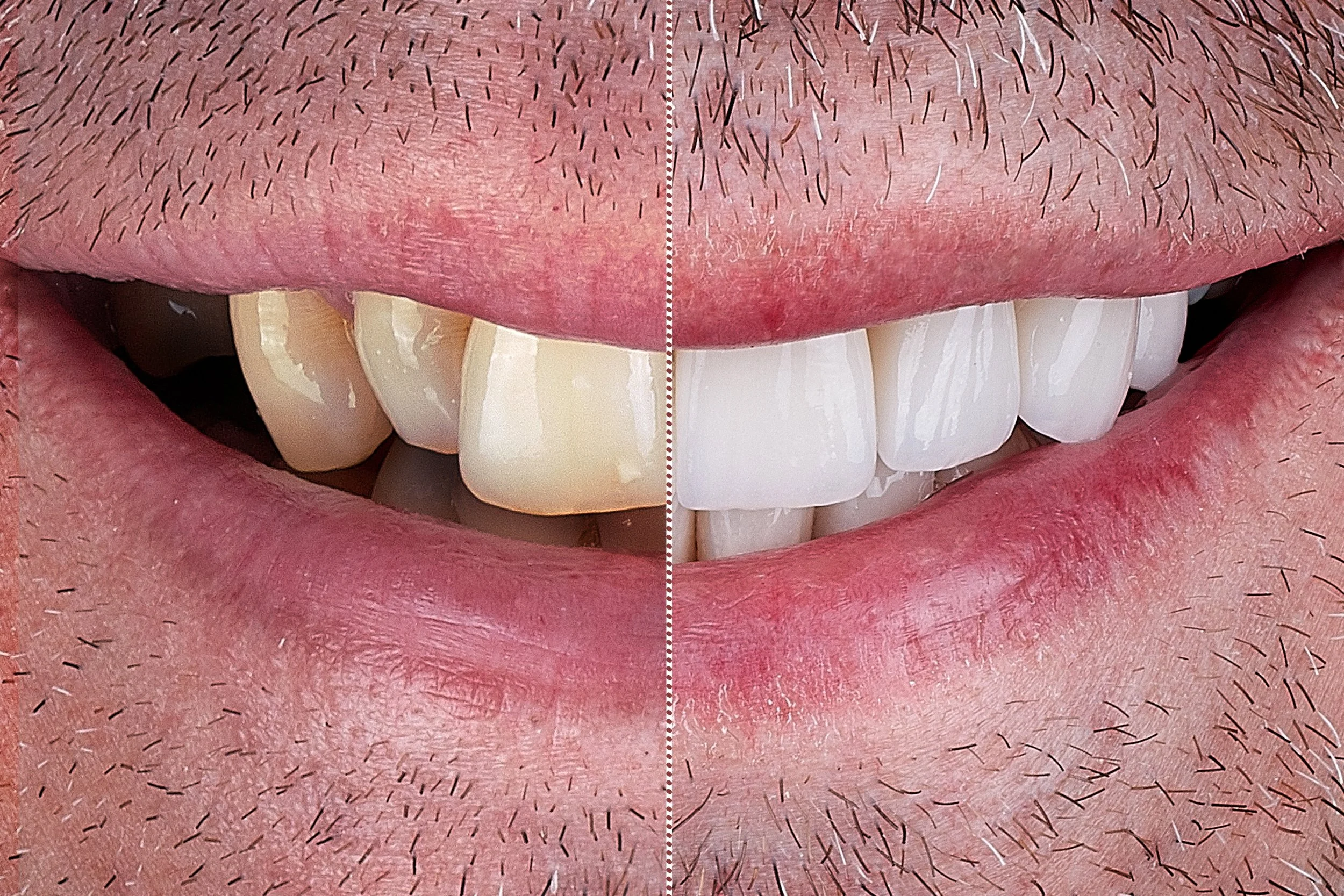
Composite bonding has become one of the most popular cosmetic dental treatments in the UK - and for good reason. It can improve the shape, colour, and overall appearance of teeth quickly, often without drilling or injections.
But before committing to treatment, there are a few things every patient should understand.
What Is Composite Bonding?
Composite bonding involves applying a tooth-coloured resin material directly onto the tooth surface to improve aesthetics. It can be used to:
Repair chipped edges
Close small gaps
Improve tooth shape
Lengthen worn teeth
Mask minor discolouration
Create a more balanced smile
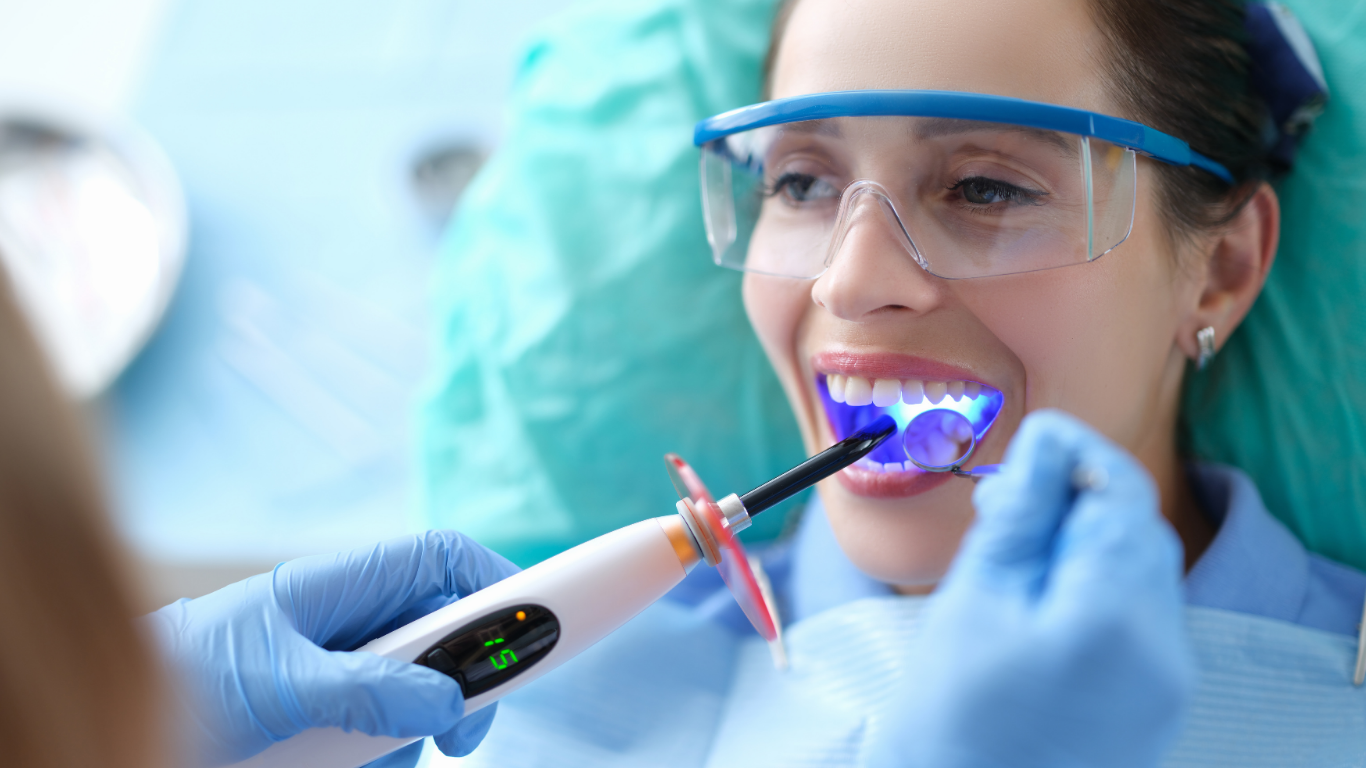
The material is sculpted by hand and hardened using a curing light, allowing results to be achieved in a single appointment in many cases.
Why Has It Become So Popular?
Composite bonding is often considered a more conservative alternative to veneers because minimal - or sometimes no - tooth preparation is required.
Patients are drawn to:
Faster treatment times
Lower cost compared with porcelain veneers
Natural-looking results
Reversible or minimally invasive treatment options
Social media has also increased awareness of cosmetic dentistry, although online results do not always reflect what is clinically appropriate for every patient.
Composite Bonding Is Not “One Size Fits All”
One of the biggest misconceptions is that composite bonding is suitable for everyone.
The best outcomes depend on:
Your bite
Tooth alignment
Oral hygiene
Grinding or clenching habits
Existing dental work
Gum health
In some cases, orthodontic treatment such as Invisalign may be recommended before bonding to achieve a more balanced and longer-lasting result.
The Most Important Question: Why Do You Want It?
Good cosmetic dentistry should enhance your smile - not completely change your face or create overly bulky, artificial-looking teeth.
A careful consultation should focus on:
Your concerns
Your smile goals
Facial balance
Long-term maintenance
Preserving healthy tooth structure
The most successful bonding cases are usually the most natural ones.
Composite Bonding Does Require Maintenance
Although bonding can look excellent initially, it is not permanent.
Over time, composite resin can:
Stain
Chip
Wear down
Lose surface polish
Most patients will require maintenance or replacement at some stage, especially if they:
Smoke
Drink large amounts of tea, coffee, or red wine
Grind their teeth
Bite nails or hard foods
Regular hygiene appointments and polishing help maintain the appearance.
Cheap Composite Bonding Can Become Expensive Later
Unfortunately, corrective treatment is increasingly common.
Poorly planned bonding can lead to:
Gum inflammation
Bulky restorations
Bite problems
Repeated chipping
Difficulty cleaning
Damage to natural teeth
Choosing a clinician based on experience, aesthetics, and conservative treatment philosophy is often more important than choosing based on price alone.
A Good Consultation Should Feel Educational - Not Sales-Focused
You should leave a consultation understanding:
Whether you are a suitable candidate
What can realistically be achieved
The limitations of treatment
The expected lifespan
The maintenance involved
A good cosmetic result should look healthy, balanced, and appropriate for your face - not simply “perfectly white”.
Final Thoughts
Composite bonding can be an excellent treatment when carefully planned and conservatively performed. For the right patient, it offers a minimally invasive way to improve confidence and smile aesthetics.
The key is understanding both the benefits and the long-term commitment before starting treatment.
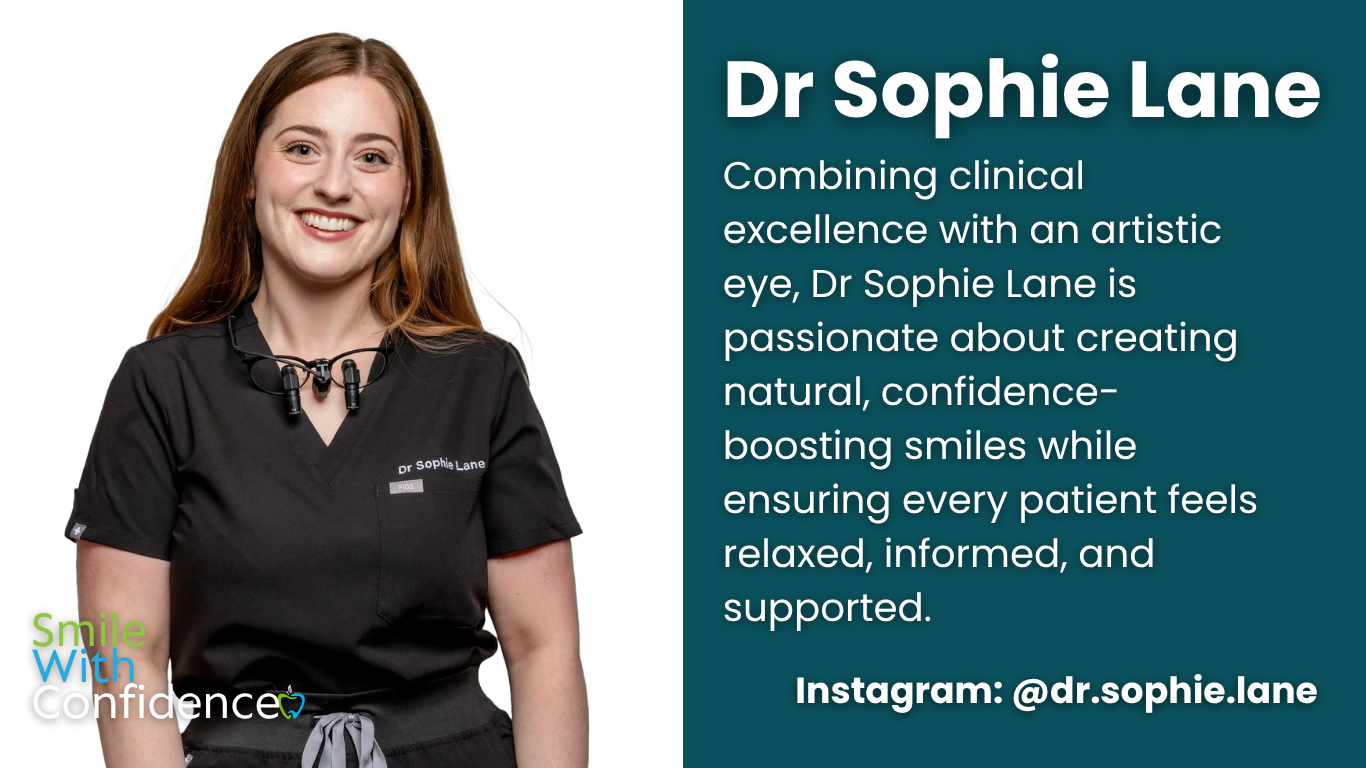
At our practice, composite bonding treatments are carried out by Dr Sophie Lane, who has exceptional experience in restorative and aesthetic dentistry. Dr Sophie graduated with a Distinction from King's College London and has undertaken extensive postgraduate training in treatments including crowns, veneers, root canal therapy, and composite bonding.
Known for her meticulous attention to detail, calm approach, and natural aesthetic results, Sophie combines clinical precision with artistic skill to create smiles that feel balanced, healthy, and individual to each patient. Patients frequently comment on how comfortable, informed, and reassured they feel throughout their treatment journey.
Examples of Sophie’s work and patient reviews can be viewed on Instagram at @dr.sophie.lane.